“There is compelling evidence to suggest that when counsellors and mental health professionals engage in a collaborative spirit, rather than an authoritative role, the cooperative process that emerges enhances change ” (Winslade & Monk, p.27, 2007).
“I work in collaboration with the children, young people and adults who come to see me, to help them to resist and solve the effects of problems in their lives. With curiosity and exploration we trace and uncover preferred stories.”
Counselling services
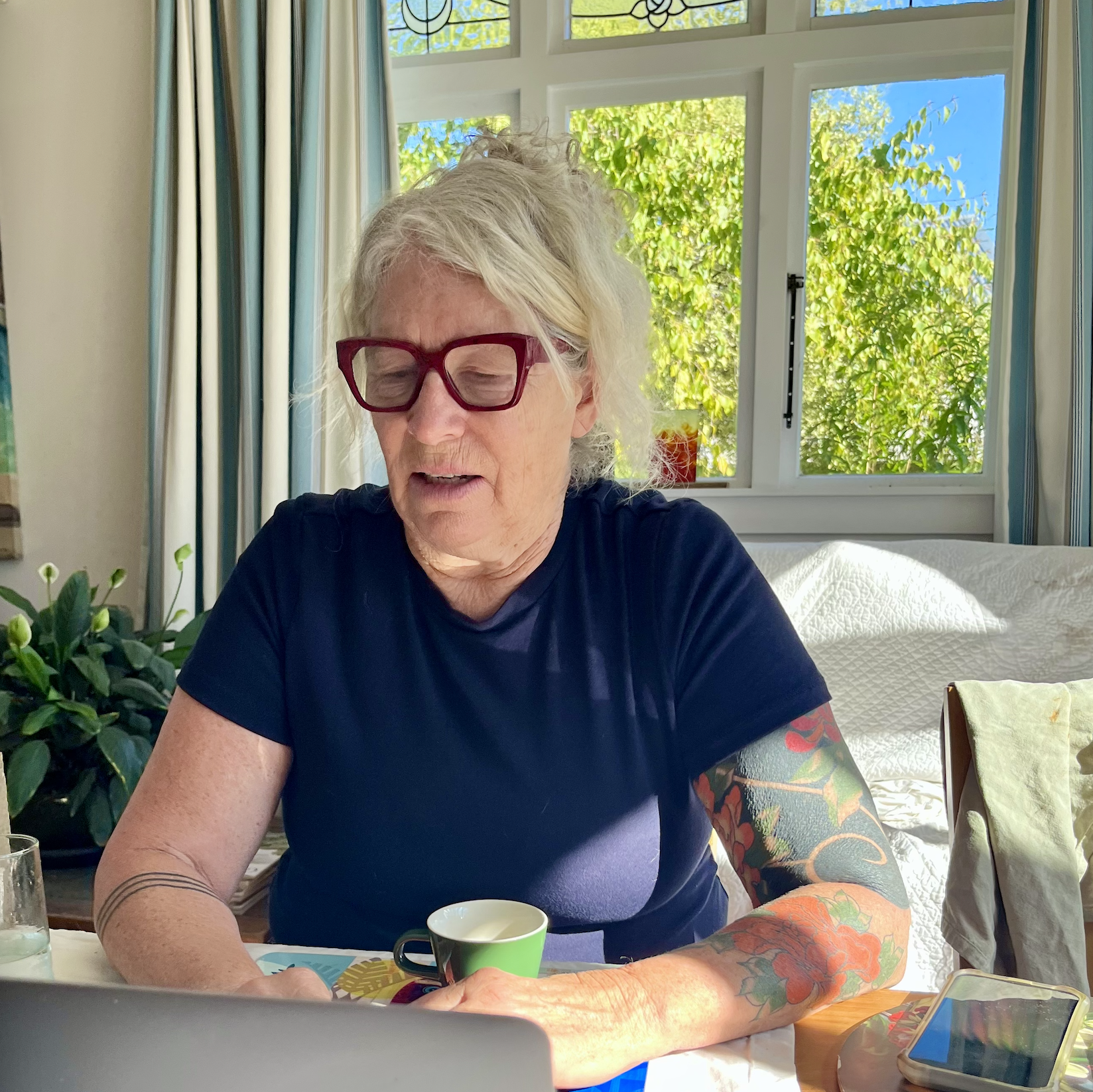
A counselling session with Jenny is shaped by the client as well as by Jenny’s practice. The work is collaborative and the counselling work explores and deconstructs the problem’s story.
Always central to the narrative therapist's work is the belief that the person sitting in front of the counsellor has abilities, talents, positive intentions, and life experiences that can provide new possibilities for action and momentum for change. The counsellor expresses curiosity in the person’s knowledge and experience which could lead to questions such as these:
What works best for you?
What are your unique strengths, beliefs and values that keep you going through these difficult times?
What ideas do you have to get the help and support you would like from others?
What are your plans for change?
Jenny’s questions will explore the territory of the problem and its relationship with you in your life. This process involves scaffolding conversations using different counselling techniques to assist in understanding the problem.
You and Jenny will collaborate to uncover the stories attached to the problem that have often become the dominant ‘voice’ in your life. It is not uncommon to hear people speak of the problem as their identity, and to label themselves according to the problem. Jenny's questions will work to separate the problem from the person, and create space for you to consider the problem from a distance rather than as part of your identity.
These words from Michael White, the founder of narrative therapy, explain what happens. “These events and experiences can be considered “unique outcomes” or “exceptions” that provide a starting point for conversations that bring forward alternative storylines of people’s lives that at the outset are barely visible but as the conversations progress become more significant and provide people with a foundation for new initiatives in addressing the problems, predicaments and dilemmas of their lives.”
These are some of the areas Jenny has worked in
Trauma
Body image
Grief and loss
Bullying
Self harm
Eating disorders
Social media
Drugs/alcohol
Depression
Loneliness
Homesickness
Family therapy
Counselling with children
Anxiety and depression
Sexuality/gender
Fear
Anger
ADHD
Children needing home support
Family/partner break-up
New families
School/class trouble